Vascular surgeon Po-Jen Ko MD 血管外科 柯博仁醫師
  • 主頁
  • 醫師
  • 英文
  • 衛教
  • 學術論文
  • 國際會議
  • 教學資料
  • Blog
  • 主頁
  • 醫師
  • 英文
  • 衛教
  • 學術論文
  • 國際會議
  • 教學資料
  • Blog

February 25th, 2024

2/25/2024

0 Comments


Understanding and Managing Leg Pain: A Focus on Varicose Veins


Leg pain is a common ailment that affects many people

Understanding and Managing Leg Pain: A Focus on Varicose Veins

Leg pain is a common ailment that affects many people at different stages of their lives. It can arise from a variety of causes, including injuries, nerve issues, vascular problems, and certain medical conditions. To effectively address leg pain, it's crucial to obtain a proper diagnosis. Treatment options can vary widely, from simple measures like rest and therapy to more involved approaches such as medication or surgery. In this article, we will specifically focus on one of the vascular causes of leg pain—varicose veins—and how they can be managed for better health and comfort.

What Causes Leg Pain?

Leg pain can stem from several factors. Injuries such as sprains, fractures, and muscle strains are among the most apparent causes. However, pain can also result from nerve damage or compression, leading to conditions like sciatica, where the pain radiates down the leg from the lower back. Vascular issues, where blood flow through the veins and arteries is compromised, can also lead to discomfort and pain in the legs. Medical conditions, including arthritis and diabetes, can further exacerbate or cause leg pain.

Varicose Veins: A Common Culprit

Varicose veins are one of the vascular issues that can cause leg pain. These veins are enlarged, twisted veins that usually occur in the legs. While they are primarily a cosmetic concern for many, varicose veins can cause discomfort and lead to more serious health problems. They result from faulty valves within the veins that fail to properly regulate blood flow, causing blood to pool and veins to enlarge.

Symptoms and Signs of Varicose Veins

Recognizing the symptoms and signs of varicose veins is the first step towards management. Common symptoms include:

  • Visible, bulging veins that are blue or dark purple
  • Aching, heavy legs, especially after standing or sitting for long periods
  • Swelling, throbbing, and muscle cramping in the lower legs
  • Itching around one or more of your veins
  • Skin discoloration near the varicose veins, indicating more severe vascular issues

Managing Varicose Veins

The management of varicose veins includes a variety of strategies aimed at alleviating symptoms and preventing further complications. Treatment options vary depending on the severity of the condition and may include:
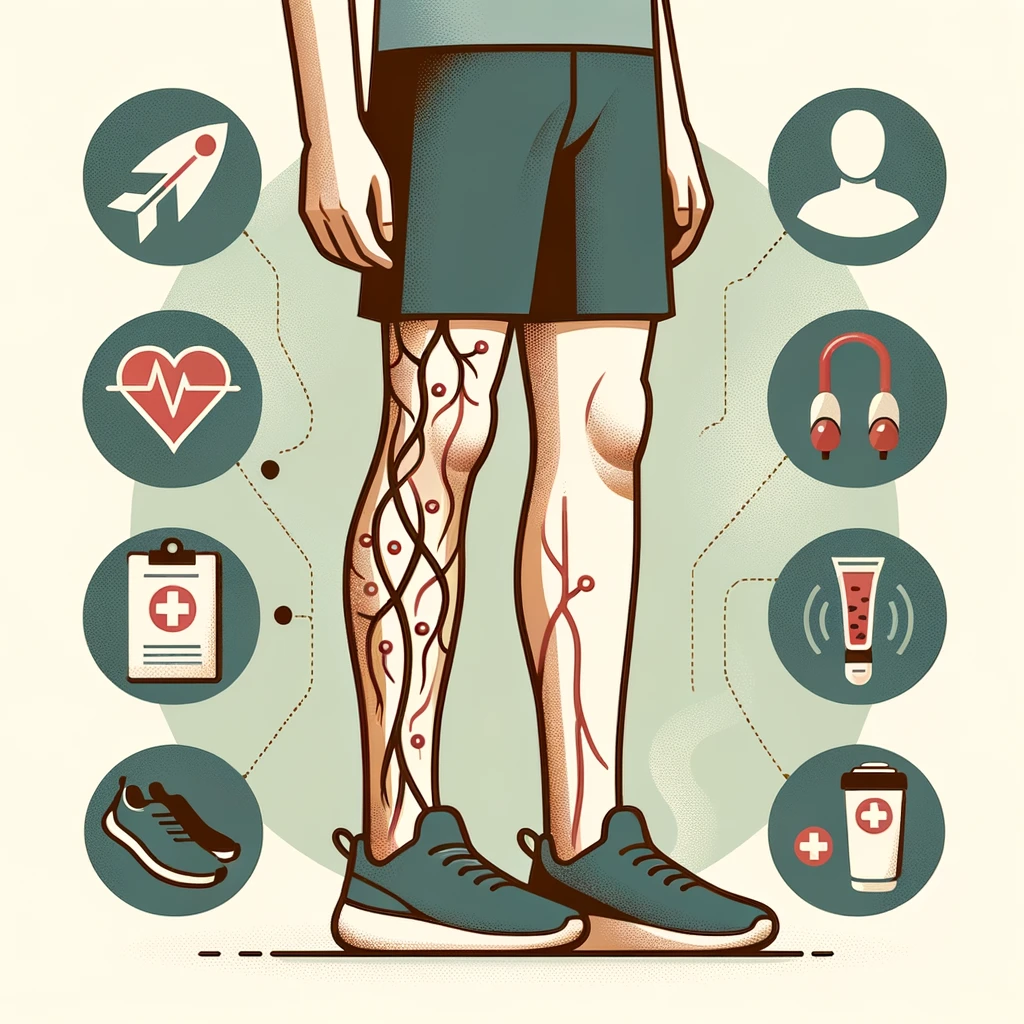
  • Lifestyle Changes: Regular exercise, maintaining a healthy weight, and avoiding prolonged standing or sitting can help reduce the pressure on your veins and alleviate symptoms.
  • Compression Stockings: Wearing specially designed stockings can help by applying gentle pressure to your legs, promoting blood flow towards your heart.
  • Medication: In some cases, medication to reduce inflammation and treat associated symptoms might be prescribed. Surgical and Minimally Invasive Treatments: For more severe cases, procedures such as sclerotherapy, laser or glue therapy, or vein stripping may be recommended to close off or remove varicose veins.

    Conclusion

    Leg pain, particularly from varicose veins, can significantly impact your quality of life. Understanding the causes and symptoms of this condition is the first step towards effective management. With the right combination of lifestyle adjustments, medical treatment, and possibly surgery, it's possible to alleviate the pain and discomfort associated with varicose veins. If you suspect you have varicose veins or experience persistent leg pain, seeking medical advice is essential to prevent further complications and improve your overall health and well-being.

PW Clinic
Picture
0 Comments

Your comment will be posted after it is approved.


Leave a Reply.

    Blog by a
     Vascular surgeon in Taiwan

    Author

    Po-Jen Ko MD 

    RSS Feed

    Archives

    February 2025
    February 2024
    June 2014
    May 2014
    April 2014

    Categories

    All
    Case
    Dialysis
    Stenosis
    Stentgraft
    Vein

    RSS Feed

什麼是完整的靜脈曲張微創治療計畫|博文血管聯盟

什麼是完整的靜脈曲張微創治療計畫

三大系統整合:主幹 × 穿透支 × 分枝|博文血管聯盟專業團隊

靜脈曲張不只是腿上血管凸起的外觀問題,而是靜脈回流壓力異常的警訊。若只處理表層血管,而忽略深層逆流源頭,復發率極高。
因此,完整的微創治療計畫包含三個關鍵步驟:

找出病因 → 精準治療 → 穩定修復

□ 一、完整評估:以超音波描繪「逆流地圖」

治療的第一步,是進行立姿高解析血管超音波檢查。醫師會針對三大系統進行評估與標記:

  • 主幹系統(Main trunk):大隱靜脈與小隱靜脈的逆流,是主要病灶源頭。
  • 穿透支系統(Perforator veins):連接深層與淺層靜脈,容易成為壓力外溢的通道。
  • 分枝系統(Tributary branches):表層曲張與蜘蛛網狀靜脈的來源。

□這份「逆流地圖」能精確規劃出每位病患的專屬治療藍圖。

□ 二、完整病灶處理:三大系統逐層整合

1️⃣ 主幹系統:治本的關鍵

主幹逆流是靜脈曲張的根本。治療目標是封閉逆流主幹靜脈,讓血流回到健康通道。

  • 靜脈膠水封閉術(VenaSeal):無需麻醉,幾乎無疼痛感,當天可走路返家。
  • 雷射封閉術(EVLA)或射頻治療(RFA):以精準熱能封閉病變血管。

□ 修正主幹後,腿部壓力顯著下降,症狀明顯改善。

2️⃣ 穿透支系統:消除「壓力回流點」

穿透支若逆流,會讓深層高壓血液倒灌至表層,導致皮下曲張與色素沉著。

  • 超音波導引下高張溶液局部治療
  • 微創導管式封閉(如膠水或射頻導管)

⚙️ 處理穿透支可「關閉閘門」,降低皮膚變色與復發機率。

3️⃣ 分枝系統:外觀與壓力的最後平衡

主幹與穿透支穩定後,表層分枝曲張可透過:

  • 高張溶液局部治療(局部注射方式)
  • 極細針孔微切除術:改善外觀與壓力分布。

□ 這是「修飾與精緻化」階段,讓腿部更輕盈、美觀自然。

□ 三、術後修復與追蹤:穩定循環、防止復發

  • 進行壓力治療(如彈性壓力套或專用繃帶),促進靜脈回流。
  • 避免長時間久站或久坐。
  • 定期超音波追蹤,偵測新生分支或殘餘逆流。
  • 維持健康體重與均衡飲食,減少靜脈壓力負擔。

□️ 這一步是防止復發與維持治療成果的關鍵。

□ 博文血管聯盟的三層治療理念

主幹穩 → 穿透支通 → 分枝美

博文血管聯盟以超音波影像導引為核心,整合靜脈膠水、雷射、射頻與高張溶液局部治療,形成完整、精準又安全的靜脈曲張微創治療體系。

□ 通路維護與靜脈治療專線:02-7709-9197

立即預約諮詢

□ www.pwclinic.tw

#靜脈曲張 #微創治療 #靜脈膠水 #血管健康 #雷射治療 #高張溶液 #分層整合 #博文血管聯盟 #PWClinic #腿部修復 #血流重建 #醫療衛教 #健康新循環


微創膠水治療經驗

累積豐富的靜脈曲張微創膠水治療經驗

除了大量微創雷射經驗以外,我們的專業團隊也已累積近1000 例的靜脈微創膠水治療經驗,透過先進技術與個人化診療方式,致力於為患者提供最優質的醫療服務。

若有任何疑問或需要進一步資訊,歡迎聯繫我們的診所!

© 2025 博診所. 保留所有權利。


Copyright © 2014-2025 by Po-Jen Ko